When the Buoys Don't Line Up: How Pool Swimmers Can Tame the Open Water Mind Game
The Water Changes. So Does Your Brain.
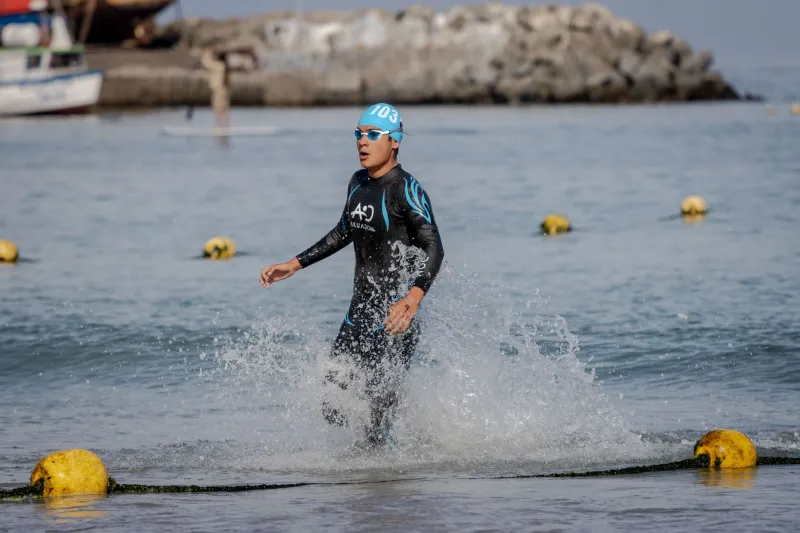
Imagine this: you've been logging 20,000 yards a week. Your 1500 free is dialed in. Your coach is happy. Then you show up to your first open water event — maybe a local lake race in the Midwest, maybe a coastal event down in Florida — and somewhere around the first buoy turn, your heart rate spikes, your breathing goes sideways, and your stroke falls apart.
You're not out of shape. You're not weak. Your brain just hit a wall it didn't know existed.
This is one of the most common — and least talked about — experiences in competitive swimming. The transition from pool to open water doesn't just test your aerobic engine. It tests your entire psychological framework. And for a lot of pool-trained athletes, that framework isn't built for what's waiting outside the lane ropes.
Why Pool Swimmers Struggle (And It's Not What You Think)
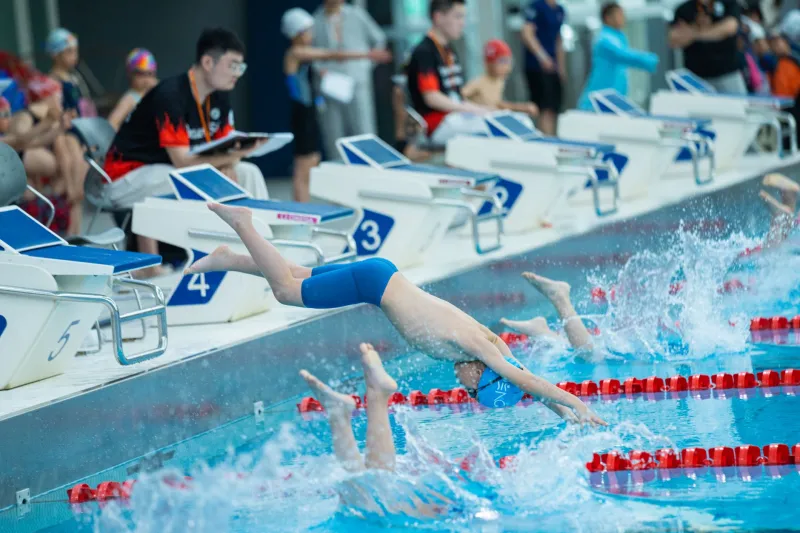
The pool is, by design, a controlled environment. The water is clear. The temperature is regulated. You always know exactly where you are. Every 25 yards, there's a wall. Every lap, there's a visual confirmation of progress.
Open water strips all of that away — and your nervous system notices.
Sports psychologists who work with aquatic athletes describe the phenomenon as a kind of "environmental disorientation." It's not fear of water. It's the sudden absence of the sensory cues your brain has been trained to rely on.
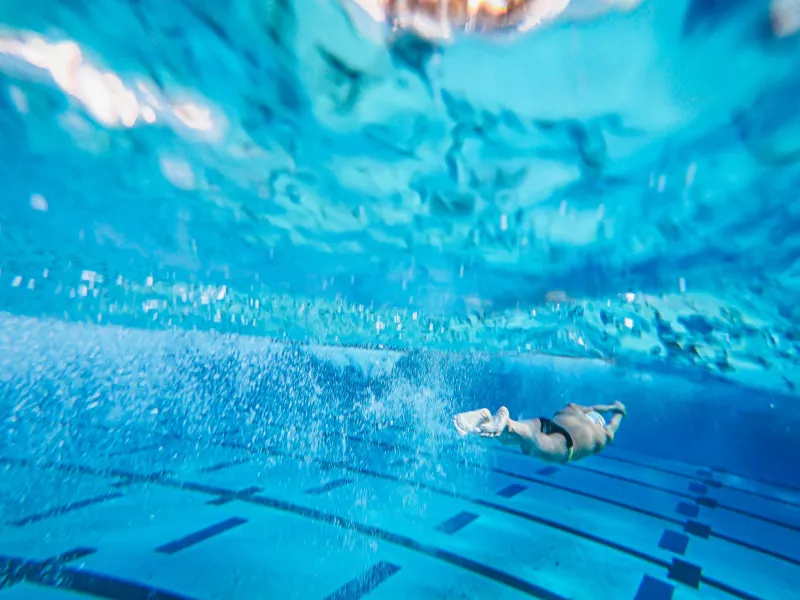
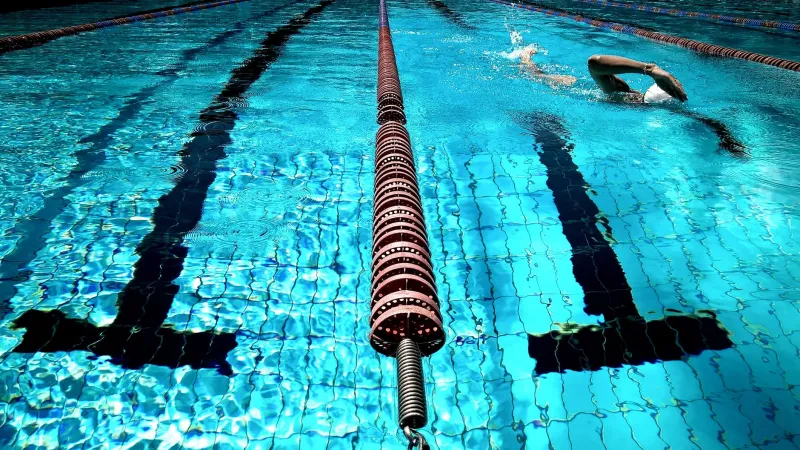
"Pool swimmers develop a really strong internal map," explains one sports psychologist who works with collegiate and masters swimmers across the Southeast. "The black line, the T at the wall, the lane ropes — all of that becomes subconscious navigation. In open water, that map just... isn't there. And the brain doesn't like that."
The result can range from mild anxiety and poor pacing decisions to full-blown panic responses — elevated heart rate, hyperventilation, and a desperate urge to stop swimming.
The Three Mental Barriers That Show Up Most
1. Panic Triggers in the First 200 Meters
Open water races are chaotic at the start. Bodies everywhere, no lane assignments, contact that would be a DQ in any pool setting. For swimmers accustomed to a private lane, that first 200 meters can feel like sensory overload.
The physical contact triggers a threat response in some athletes — not because they're in danger, but because their brain pattern-matches it to something unfamiliar and flags it as a problem. Heart rate spikes before it should. Breathing goes shallow. The aerobic engine, which was perfectly calibrated in training, suddenly feels unreliable.
2. The Sighting Spiral
Pool swimmers don't have to think about where they're going. Open water swimmers do — and lifting your head to sight disrupts your stroke rhythm, costs energy, and for athletes who haven't practiced it, creates a frustrating feedback loop: the more you sight, the more anxious you feel about being off-course, the more you sight.
Some athletes describe getting so fixated on finding the next buoy that they forget to actually swim efficiently.
3. Pacing Without Walls
In the pool, walls are natural pacing checkpoints. Splits come automatically. In open water, there's no external structure — just the athlete, their perceived effort, and however far the finish line feels. Swimmers who are excellent at pool pacing often go out too hard in open water because they're chasing a feeling they're used to, not an actual target.
What the Experts Actually Recommend
Here's the good news: all of these barriers are trainable. They're not personality flaws or signs you're not cut out for open water. They're just skills you haven't built yet.
Practice Discomfort, Not Just Fitness
One of the most consistent pieces of advice from open water athletes is to deliberately train in uncomfortable conditions before race day. That means cold water when possible, crowded lane conditions during practice (yes, intentionally), and eyes-closed swimming drills that force your brain to navigate without visual anchors.
"We do a drill where athletes swim 50 meters with their eyes closed, then open them and see how far off-course they drifted," says one open water coach based in the Pacific Northwest. "It's humbling, but it teaches body awareness that you can't get any other way."
Build a Pre-Race Protocol
Sports psychologists are pretty unanimous on this: ritual creates calm. A consistent pre-race sequence — warm-up timing, breathing patterns, specific self-talk phrases — gives the brain something familiar to hold onto when the environment is anything but.
This doesn't have to be elaborate. Even a three-minute breathing routine (box breathing works well: four counts in, four hold, four out, four hold) done consistently before every open water practice will start to anchor a calmer physiological state over time.
Use Process Goals Instead of Outcome Goals
Telling yourself "don't panic" at the start of an open water race is basically telling your brain to think about panic. Instead, give it something specific to do: "sight every six strokes," "stay long on my pull," "match the effort of my 400 pace for the first 300 meters."
Process goals keep the brain occupied with execution rather than anxiety. They also give you something to succeed at even when the race doesn't go perfectly.
Simulate the Start
If you have access to open water for training, start some of your sessions from a beach or dock entry with other swimmers — deliberately chaotic, deliberately crowded. If you're pool-only, pack into a lane with three or four other swimmers and do race-pace 200s where contact is allowed. It sounds weird, but exposure to the stimulus is the only reliable way to reduce the threat response it triggers.
The Bigger Picture
Open water swimming is growing fast in the US — triathlon participation, marathon swim events, and casual open water races are pulling more pool-trained athletes than ever into unfamiliar territory. The athletes who thrive in that transition aren't the ones with the best pool times. They're the ones who did the mental prep work alongside the physical training.
Your aerobic fitness will transfer. Your stroke mechanics will transfer. But your pool-trained comfort zone? That one you have to rebuild from scratch — and the sooner you start, the faster you'll find your footing when the buoys don't line up the way the lane ropes always did.